
Brake Pad and Rotor Service for Confident Bettendorf, IA Driving
Mills Mitsubishi - Davenport - Davenport - Brake Pad and Rotor Service for Confident Bettendorf, IA Driving
Brakes are your most important safety system, and in a city-to-city commute like Bettendorf to downtown via the I-74 Bridge, performance you can feel matters. Whether you drive a Mitsubishi Outlander, Eclipse Cross, or another popular brand, consistent stopping power and a firm pedal make every merge, school pickup, and riverfront stop easier. This guide explains how to recognize brake wear, what service includes, and why choosing trained technicians nearby saves time and provides lasting confidence.
Everyday signs you need brake service
Brake components do not last forever—pads wear, rotors thin, and fluid absorbs moisture. The earliest symptoms often show up during normal errands along Middle Road, State Street, or Devils Glen Road. If you catch them early, you will preserve rotors, stop sooner, and keep the pedal feel you expect in traffic.
- Squeal or chirp while braking: Wear indicators or pad glazing are asking for attention.
- Grinding sound: Pad material may be gone, and metal-on-metal contact can damage rotors quickly.
- Steering-wheel shake under braking: Rotor thickness variation or deposits can cause vibration.
- Longer stopping distance: Worn pads, contaminated fluid, or seized slide pins reduce performance.
- Soft or sinking pedal: Entrained air or aging fluid can lower hydraulic pressure.
- One wheel dusts more than others: Uneven wear may point to a sticking caliper.
If you notice any of these, schedule an inspection to prevent bigger repairs. Ignoring a small squeal today often turns into rotors tomorrow.
What professional brake service includes
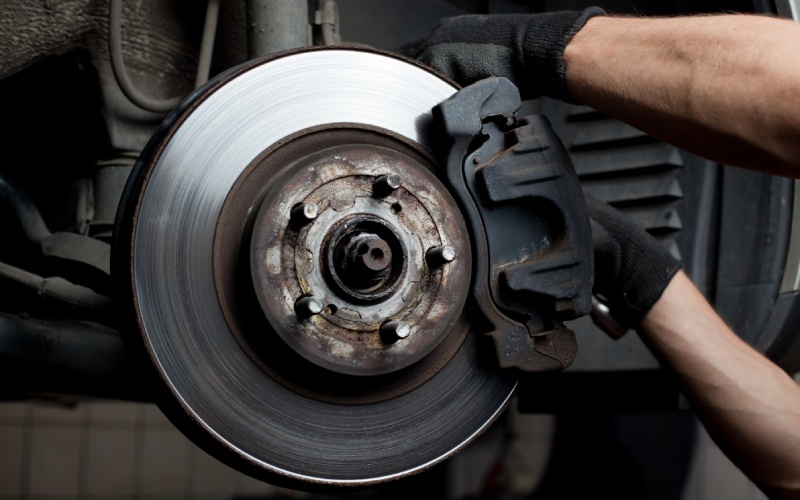
Quality work is equal parts diagnosis, precision, and the right parts. A technician will measure pad thickness and rotor depth across multiple points, check runout, and inspect slide pins, shims, caliper boots, hoses, and hardware. If rotors meet specs, resurfacing can restore a consistent surface; if not, correct replacements matched to your vehicle’s diameter, venting, and hub pattern go on. Caliper slides are cleaned and lubricated, abutment clips replaced as needed, and pad shapes selected to fit properly with the caliper and rotor. After reassembly, we torque the wheels to spec and bed the pads for even transfer, so you leave with a confident pedal and quiet stops.
For hybrids and EVs that use regenerative braking, the hydraulic system still needs care. Because regen reduces friction use, pad glazing, and uneven deposits can occur. We address that by cleaning hardware, confirming caliper function, inspecting the parking brake mechanism, and refreshing fluid on time. The result is smooth modulation that plays nicely with regen for consistent control on riverfront hills and downtown ramps.
Brake fluid: the quiet hero of pedal feel
Brake fluid absorbs moisture over time, which lowers its boiling point and can corrode internal components. A periodic fluid exchange replaces tired fluid with fresh, system-appropriate DOT-rated fluid. You will feel the difference as a firmer, more consistent pedal from the first stoplight on Spruce Hills Drive to the last turn into your driveway after a long day.
For many daily drivers, pads last 30,000–60,000 miles, but that range changes with driving style, traffic, and terrain. Hills, short trips, and heavy stop-and-go will shorten intervals, so inspection is more reliable than mileage alone. If you just mounted new tires, consider checking brakes at the same visit to protect your investment and ensure balanced, even stopping.
Why choose trained technicians nearby
Brake noise and vibration can stem from multiple causes—pad compound, rotor thickness variation, wheel bearing play, or even tire issues that only surface under braking. Skilled technicians diagnose the root cause first, saving you time and repeat visits. We install OEM-quality components, follow clean procedures, and bed pads properly to prevent noise and promote long rotor life. That attention shows up the first time you slow on the I-74 Bridge or ease to a stop along State Street.
You want convenience as much as craftsmanship. Scheduling near your routine—work, school, or errands—keeps life moving. Our team is just across the bridge in Davenport, IA, so Bettendorf drivers can pop over for an inspection, wait comfortably with Wi-Fi, or use a shuttle and keep the day on track.
Frequently Asked Questions:
How long does a typical brake inspection and service take?
Most inspections takeless thanr an hour. Pad and rotor replacement varies by vehicle but is often completed the same day when parts are in stock.
Do I need new rotors every time I replace pads?
Not always. If rotors measure within thickness and runout specs, resurfacing may be appropriate. If they are below spec, warped, or heat-checked, replacement is the safe choice.
Why did my brakes start squealing right after a pad replacement?
Often, it is incorrect bedding, missing shims, or a pad compound that does not match your driving. A quick evaluation can correct the cause.
What if the brake pedal feels soft?
Air in the system or moisture-laden fluid can cause a soft pedal. A thorough bleed or fluid exchange usually restores pedal firmness.
Can you service performance or towing setups?
Yes. We match pad compounds and rotor designs to your use case—daily commuting, performance driving, or towing within your vehicle’s limits.
When it is time to act, trust experience, the right parts, and careful workmanship. Schedule brake service with Mills Mitsubishi - Davenport to get skilled diagnosis, consistent pedal feel, and quiet, confident stops. We are nearby for Bettendorf drivers, just a short hop across the I-74 Bridge in Davenport, IA, and ready to help you drive with confidence mile after mile.
