
Which SUV offers more everyday traction and driver-assistance peace of mind for Cedar Rapids, IA commuters?
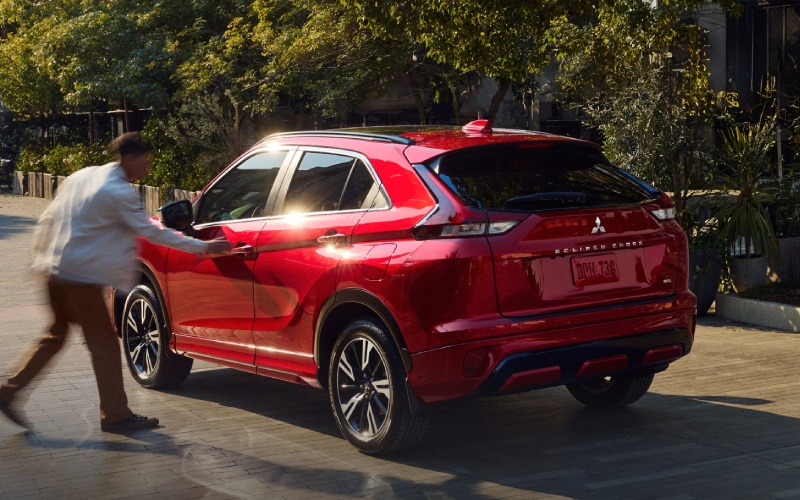
Mills Mitsubishi - Davenport - Which SUV offers more everyday traction and driver-assistance peace of mind for Cedar Rapids, IA commuters?
When compact SUVs compete, traction and driver-assistance confidence are often the deciding factors. If you’re weighing the 2026 Mitsubishi Eclipse Cross against the 2026 Jeep® Compass for life around Cedar Rapids, IA, you’re likely asking: which one delivers more real-world security in traffic, on wet pavement, and during hectic lane merges? This guide dives into the systems, features, and ownership details that matter on your drive to work, school, and weekend errands—without getting lost in spec-sheet trivia.
At a glance, both SUVs check the traction box on every trim level. The difference is how they do it. Mitsubishi equips every Eclipse Cross with standard Super-All Wheel Control (S-AWC), a coordination of traction and stability systems designed to help manage torque and yaw for predictable, even-keeled handling on variable surfaces. Jeep equips every Compass with standard 4x4 and the Selec-Terrain system, adding off-road-focused hardware on the Trailhawk to tackle rugged terrain. If your weekday is mostly pavement, S-AWC’s balanced, always-on character can feel calmer and more confidence-inspiring, especially when the weather shifts or lane changes come up quickly.
What traction differences matter in everyday driving?
S-AWC integrates vehicle dynamics to help maintain composure when traction changes, such as at paint-striped crosswalks, bridge joints, or damp intersections. The Compass’s standard 4x4 similarly routes torque where it’s needed, while Selec-Terrain can fine-tune responses for Snow, Sand, and Mud, with Rock mode exclusive to Trailhawk. On dry pavement, both feel planted, but the Eclipse Cross leans into stability and smoothness, whereas the Compass’s standout advantage appears when you point it off the beaten path.
That split personality is helpful for shoppers. If you crave occasional trail adventures, Compass Trailhawk is a strong pick. If you want serenity and consistency during Monday-through-Friday commutes, the Eclipse Cross stands out as the steadier daily partner.
Driver-assistance and camera tech: how do they compare?
The Eclipse Cross builds confidence with Forward Collision Mitigation with Pedestrian Detection, Lane Departure Warning, and available Blind Spot Warning with Lane Change Assist and Rear Cross Traffic Alert. An available Multi-View Camera System adds a surround-style perspective for parking structures and tight neighborhoods. The Compass offers available Active Driving Assist, Drowsy Driver Detection, and Blind Spot Monitoring with Rear Cross Path Detection, paired to a clear 10.1-inch Uconnect touchscreen.
- Parking awareness: Eclipse Cross offers an available Multi-View Camera System to help in garages and parallel spots.
- Assist options: Compass brings available Active Driving Assist to help center and pace on well-marked highways.
- Core safeguards: Both include automatic emergency braking and lane alerts on select trims for baseline protection.
For urban lots and tight driveways, the Eclipse Cross’s available surround view can reduce guesswork. For longer interstate runs with consistent lane markings, the Compass’s available lane-centering aid is a useful co-pilot.
Cabin calm, connectivity, and convenience
Eclipse Cross prioritizes a quiet, comfortable cabin with an intuitive 8.0-inch touchscreen and available wireless Apple CarPlay and Android Auto. Mitsubishi Connect with Safeguard And Remote Services with a 24-month trial (Enrollment Required) adds remote commands and alerts. The Compass counters with a crisp 10.1-inch Uconnect display and neat Digital Cluster options. Both offer heated front seats and available hands-free liftgates to simplify loading when your hands are full.
- Interface feel: Eclipse Cross focuses on clean menus and quiet ride quality for low-stress commutes.
- Screen size: Compass offers a larger central display that looks great at a glance.
- Handsfree access: Both offer available hands-free liftgates to streamline school-drop and grocery stops.
Powertrains and the way they drive
The Eclipse Cross pairs a turbocharged 1.5-liter with a CVT to deliver smooth torque and low cabin noise. The Compass delivers a stronger turbocharged 2.0-liter with an 8-speed automatic, giving it extra punch and up to 2,000 pounds of towing. In day-to-day driving, the Mitsubishi’s powertrain tuning leans into serenity, while the Jeep’s output brings extra urgency for passing and hauling. Your choice here depends on your routine: smooth and steady vs. extra thrust and trail capability.
Warranty and ownership support
Ownership confidence is more than a test drive. Mitsubishi backs Eclipse Cross with an Industry-Leading 10-year/100,000-mile Powertrain Limited Warranty, 5 years of 24-Hour Roadside Assistance, and 2-Year/30,000-Mile Limited Maintenance. That blend of coverage is compelling for long-term planners and first-time SUV buyers alike. Jeep Compass offers solid coverage and membership benefits within the brand’s program, but it can’t match Mitsubishi’s powertrain term.
Local fit for Cedar Rapids, IA lifestyles
Between downtown commutes, neighborhood errands, and weekend drives along the river, traction that simply works—and works everywhere—builds trust. The Eclipse Cross’s standard S-AWC lends a reassuring feel as conditions change, while the available Multi-View Camera System makes parallel parking, alley exits, and busy lots a little easier. The Compass is at home heading toward unpaved trails and weekend adventure routes. It’s a strong choice for drivers who want a compact SUV with a stronger off-road playbook.
Who should pick which?
- Commuter-first drivers: Choose Eclipse Cross for smooth power delivery, calm handling, and standard S-AWC traction on every trim.
- Occasional off-roaders: Choose Compass—especially Trailhawk—for extra ground clearance, tires, and modes that favor trail time.
- Tech-savvy parkers: Eclipse Cross’s available Multi-View Camera System is a parking ally in older neighborhoods and tight garages.
Still undecided? Stop by for a side-by-side look and test drive. You’ll quickly feel the differences in steering, ride calmness, camera visibility, and assist features in your own hands.
Frequently Asked Questions:
Does the Eclipse Cross have all-wheel drive on every trim?
Yes. Super-All Wheel Control (S-AWC) is standard across the Eclipse Cross lineup, giving you traction-focused confidence no matter which model you choose.
Is the Compass better for off-roading than the Eclipse Cross?
If you plan regular trail time, the Compass—especially in Trailhawk trim—offers specialized hardware and drive modes that favor rugged routes. If your driving is mostly paved, the Eclipse Cross’s S-AWC delivers confident, predictable grip without trail-oriented compromises.
Which one is easier to park in tight spaces?
Eclipse Cross offers an available Multi-View Camera System that can make close-quarters parking easier to judge. Compass provides clear camera views too, but not a full surround-style system.
How do warranties compare?
Mitsubishi’s Industry-Leading Powertrain Limited Warranty and included maintenance plan provide longer-term coverage than typical compact-SUV warranties, adding peace of mind for budget planners.
Ready to compare the two in person? Mills Mitsubishi - Davenport is your nearby Mitsubishi resource, serving Bettendorf, Cedar Rapids, and Moline with knowledgeable guidance and friendly test-drive routes that mirror your daily drive. Bring your questions and a couple of favorite playlists—we’ll help you find your compact SUV fit.
